Dva týždne po tom, ako začnete používať bambusový naparovač, otvoríte skrinku a zacítite zatuchnutý zápach. Na lamelách sa objavia tmavé škvrny a pozdĺž okraja sa vytvorí biely film. Stáva sa to väčšine majiteľov bambusových parníkov a príčinou takmer nikdy nie je krok umývania. Je to krok sušenia.
Bambus je porézny a drží paru, oleje a škrob. Ak čistíte kôš ako tanier – namočíte ho, vydrhnete, necháte odkvapkať – zachytávate vlhkosť vo vnútri dreva. Nižšie uvedená rutina odstraňuje zvyšky jedla bez namáčania vlákien alebo odstraňovania prirodzeného korenia, ktoré sa vytvára počas používania. Zahŕňa každodenné čistenie, odstraňovanie plesní, kontrolu zápachu, návyky pri sušení, skladovanie a kedy vymeniť kôš.
Prečo bambusový parný hrniec potrebuje iný postup čistenia
Bambusový parník nie je hrniec. Funguje tak, že vlhkosť absorbuje a uvoľňuje pomaly a práve táto nasiakavosť je dôvodom, prečo sa v nej tvoria plesne. Tri veci ho odlišujú od kovového alebo silikónového riadu:
- Nedá sa namočiť. Stojatá voda napučiava škáry a spôsobuje skrútenie a praskanie.
- Nemôže ísť do umývačky riadu. Zahrejte a čistiaci prostriedok odstráňte prírodné oleje a zdrsnite bambusový povrch.
- Nemalo by sa drhnúť abrazívnymi vankúšikmi. Škrabance poskytujú plesni viac miest na rast.
Ľahké používanie zároveň vlákna okorení. Kuchynské oleje a potravinové arómy vytvárajú ochrannú vrstvu, ktorá pomáha košíku odpudzovať vlhkosť. Prílišné čistenie túto vrstvu odstráni; pri nedostatočnom čistení zanecháva škrob. Cieľom je rovnováha: dostatočne čisté, aby boli hygienické, dostatočne jemné na to, aby zachovali bambus neporušený.
Čo potrebujete na čistenie bambusového naparovača
Nepotrebujete špeciálne produkty. Teplá voda, jemný saponát, mäkká špongia a čistý uterák pokrývajú väčšinu situácií. Pre zápach a plesne majte po ruke biely ocot a sódu bikarbónu. Jemný brúsny papier so zrnitosťou 220 pomáha odstrániť povrchovú pleseň zo suchého bambusu.
- Mäkká špongia alebo kefa s prírodnými štetinami
- Jemné mydlo bez bielidiel alebo silnej vône
- Biely ocot na ľahkú pleseň a pretrvávajúce pachy
- Jedlá sóda na odolné škvrny
- Čistý bavlnený uterák a dobre vetrané miesto na sušenie
Vyhnite sa drôtenke, drôtenkám, čistiacim prostriedkom do umývačky riadu a antibakteriálnym čistiacim prostriedkom s agresívnymi chemikáliami. Zanechávajú zvyšky, ktoré bambus uvoľní do vašej ďalšej várky jedla.
Postup čistenia krok za krokom
Celý proces trvá asi desať minút, nepočítajúc čas sušenia.
- Po dokončení prípravy v pare vyberte jedlo a vložku. Zvyšky škrobu sú hlavným zdrojom potravy pre plesne.
- Nechajte košík vychladnúť, kým nebude teplý, ale nie horúci.
- Kôš, lamely a veko opláchnite pod tečúcou teplou vodou. Neplňte umývadlo a nechajte kôš namočiť.
- Naneste malé množstvo jemného mydla na mäkkú špongiu a umyte každý povrch pohybom v smere bambusových zŕn.
- Ľahko a rýchlo opláchnite, aby nezostali žiadne mydlo.
- Otraste prebytočnú vodu, kúsky osušte čistou utierkou a potom úplne vysušte na vzduchu na stojane s prúdením vzduchu pod košom.
- Ak je bambus po vysušení bledý alebo suchý, potrite drevo veľmi tenkou vrstvou neutrálneho kuchynského oleja a prázdny kôš naparujte päť minút.
Krok šiesty je ten, ktorý zabraňuje plesniam. Kôš vrátane spojov medzi lamelami a okrajom musí byť úplne suchý, kým sa vráti späť do skrinky.
Ako odstrániť plesne a plesne
Povrchová pleseň sa javí ako zelené, sivé alebo čierne škvrny na vonkajšej strane bambusu a zvyčajne sa dajú vyčistiť. Hlboká pleseň preniká do vlákien, zmäkčuje drevo a zanecháva zatuchnutý zápach, ktorý sa vracia aj po umytí.
Pri povrchovej plesni utrite postihnuté miesto handričkou navlhčenou v bielom octe, nechajte desať minút pôsobiť, opláchnite teplou vodou a dôkladne osušte prúdom vzduchu alebo slabým slnečným žiarením. Na odolné škvrny pripravte pastu z jedlej sódy a vody, jemne ju votrite do škvŕn, opláchnite a osušte. Ak je bambus suchý, môžete povrch pred umytím a okorenením jemne prebrúsiť papierom so zrnitosťou 220.
Nepoužívajte bielidlo. Nepreniká do bambusu tak, ako preniká do škárovacej hmoty dlaždíc, a zvyšky môžu migrovať do potravín. Ak forma stmavla drevo, ak je kôš mäkký alebo špongiovitý, alebo ak zápach prežije úplné čistenie, vymeňte naparovač. Nový kôš stojí oveľa menej ako problém s bezpečnosťou potravín.
Ako odstrániť zápach
Zatuchnutý zápach znamená, že vlhkosť alebo zvyšky sú niekde zachytené. Vyčistite kôš vyššie uvedeným postupom, úplne ho vysušte a znova otestujte. Ak je zápach preč, príčinou bol jednoducho uložený vlhký bambus. Ak zostane, skúste jednu z týchto metód:
- Octová para: uvarte vo woku jednu šálku vody zmiešanej so štvrtinou šálky bieleho octu, položte na ňu prázdny košík a naparujte päť minút.
- Citrónová para: namiesto octu použite niekoľko plátkov citróna na neutralizáciu olejov a osvieženie vlákien.
- Sóda bikarbóna: do košíka nasypte tenkú vrstvu suchej sódy bikarbóny, zatvorte veko, nechajte cez noc pôsobiť, potom vytraste prášok a utrite vnútro.
Po odstránení zápachu okorente bambus jemným olejovým náterom, aby vlákna nevyschli a nepopraskali. Dobre udržiavaný parný hrniec vonia na sucho jemne drevito a vonia len ako posledné jedlo, ktoré ste naparili ešte teplé.
Návyky sušenia a skladovania, ktoré zabraňujú plesniam
Sušenie je jediný najdôležitejší zvyk. Vo vlhkom podnebí nemusí ponechanie koša vo vnútri, aby ho vysušil na vzduchu, stačiť. Najlepšie fungujú tieto postupy:
- Kôš sušte na stojane a nie rovno na doske, aby sa pod ním pohyboval vzduch.
- Košík skladujte s mierne pootvoreným vekom. Utesnené veko zachytáva vlhkosť v škárach.
- Vo vlhkých kuchyniach vložte do koša papierovú utierku alebo do blízkosti vrecúška so silikagélom a každý týždeň ju vymeňte.
- Ak naparujete každý deň, kúpte si dva košíky a striedajte ich, aby každý dostal aspoň 24 hodín na sušenie.
- Kôš držte ďalej od drezu, umývačky riadu a oblasti vetrania, kde môže para kondenzovať späť na drevo.
Vo veľmi suchom podnebí sa objavuje opačné riziko: bambus môže stratiť príliš veľa vlhkosti a rozštiepiť sa. Ak drevo zbledne a povrch je drsný, naolejujte kôš a na pár minút ho vyprázdnite parou.
Čistenie bambusového parníka: Čo robiť a čo nie
V tabuľke nižšie sú zhrnuté rozhodnutia, ktoré sú najdôležitejšie pre životnosť košíka.
Rýchla referencia na čistenie a údržbu bambusového naparovača. | Úloha | Funguje dobre | Vyhnite sa |
| Denne upratovanie | Teplá voda, jemné mydlo, mäkká špongia | Umývačka riadu, namáčanie, oceľová vlna |
| Sušenie | Osušte uterákom a potom na vzduchu na stojane | Skladovanie vo vlhku, zapečatené veko |
| Odstraňovanie plesní | Biely ocot, jedlá sóda, slnečné svetlo | Bielidlo, amoniak, abrazívne čističe |
| Kontrola zápachu | Ocot alebo citrónová para, korenie | Voňavé pracie prostriedky, vonné oleje |
| Skladovanie | Suchá skriňa, otvorený prúd vzduchu, silikagél | Vzduchotesné vrecia, vlhké pivnice |
Kedy vymeniť bambusový parník
Bambusové naparovače sú odolné, no opotrebúvajú sa. Sledujte tieto znaky:
- Deformovanie: ak pokrievka už nesedí naplocho alebo sa košík kýve na woku, para uniká nerovnomerne a jedlo sa nerovnomerne uvarí.
- Praskanie: vlasové praskliny sú po rokoch používania normálne, ale praskliny dostatočne široké na zachytenie zvyškov jedla predstavujú bakteriálne riziko.
- Voľné spoje: ak sa okraj oddelí od líšt alebo sa uvoľnia kovové pásy, kôš je konštrukčne slabší a môžu z neho hádzať úlomky.
- Hlboká pleseň: čierne škvrny, ktoré prežijú čistenie, alebo zápach, ktorý sa vráti po úplnom cykle čistenia a sušenia, nestojí za to bojovať.
Keď sa objavia tieto problémy, vymeňte kôš. Dobre vyčistený a riadne vysušený bambusový parný hrniec by mal dať roky pravidelného varenia, kým sa niektorý z nich neobjaví.
Udržujte oblasť okolo parného hrnca bez plesní
Čistenie parného hrnca je len polovica rovnice. Povrchy okolo naparovacej stanice tiež absorbujú vlhkosť. V rušnej kuchyni sa na stenu za komerčným parníkom dostáva horúca para celé hodiny. Obyčajná sadrokartónová doska zmäkne, napučí a za skriňami sa na nej rozmnožia plesne, ktoré sa šíria do vzduchu a usadzujú sa späť na zariadení, ktoré ste práve vyčistili.
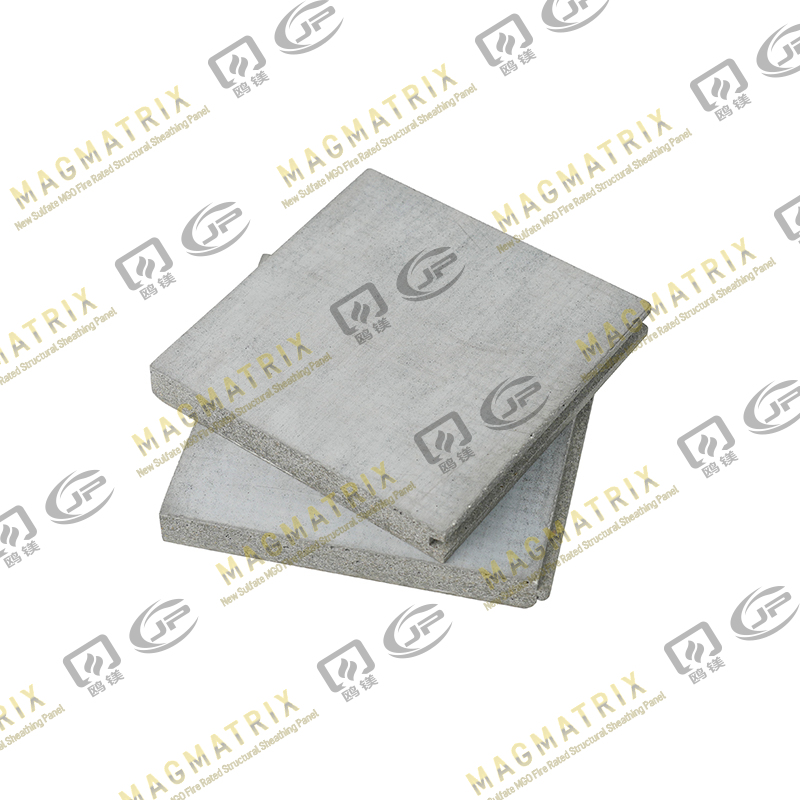
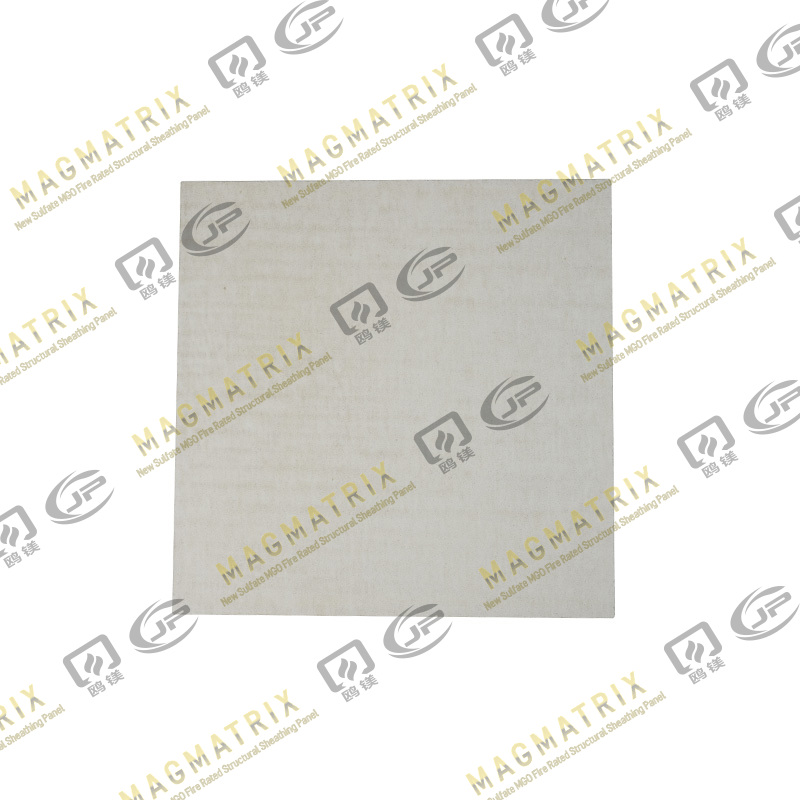
To je dôvod, prečo veľa staviteľov kuchýň a dodávateľov reštaurácií používa dosku z oxidu horečnatého (MgO) vo vlhkých zónach namiesto sadrokartónu alebo preglejky. MgO doska je anorganický panel vyrobený z oxidu horečnatého a síranu. Odoláva vlhkosti, plesniam a plesniam a pri stálom vystavení pare nezmäkne. Pre stenu za vysokovýkonnou naparovacou stanicou poskytuje stabilný povrch, ktorý podporuje regály a odoláva pravidelnému upratovaniu.
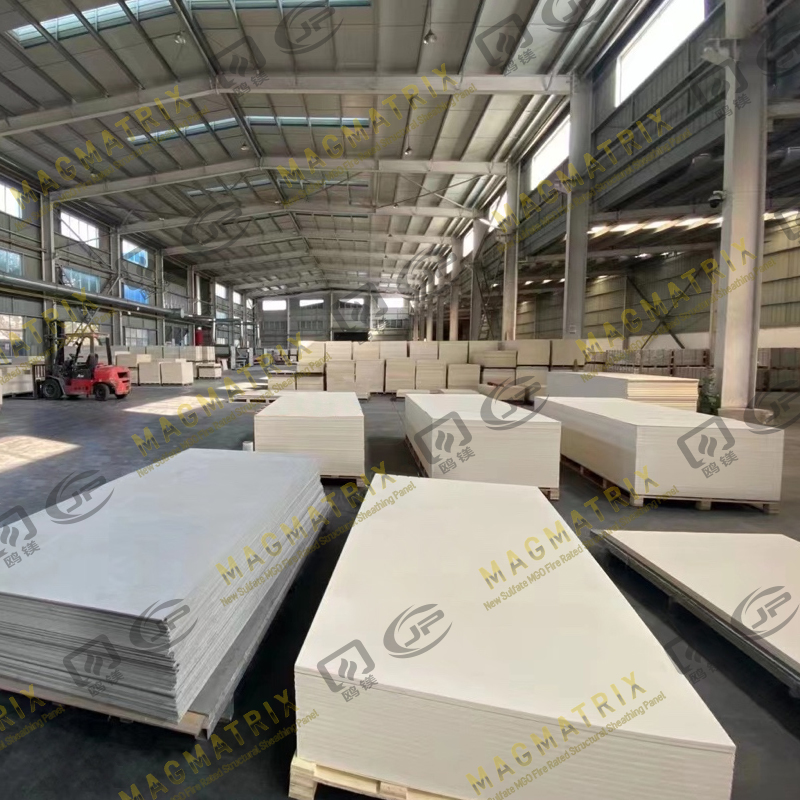 Nástenná doska z oxidu horečnatého pre vlhké priestory Táto MgO opláštovacia doska odoláva vlhkosti, plesniam a pare, vďaka čomu je stabilným povrchom steny za vysokovýkonnými naparovacími stanicami v komerčných kuchyniach. Zobraziť produkt →
 Druhou slabou stránkou sú podlahy. Kvapkajúca voda, kondenzácia a spätné striekanie pristávajú na podlahe pod naparovacou stanicou, potom sa zapracujú do podkladu a spôsobujú opuch a pretrvávajúci zatuchnutý zápach. Podkladový panel odolný voči vlhkosti udržuje zostavu podlahy v suchu, takže jediný zápach v miestnosti pochádza z jedla, nie z konštrukcie budovy.
 MagMatrix MgO podkladový panel pre podlahy náchylné na vlhkosť Tento podkladový panel udržuje podlahové zostavy suché pod naparovacími stanicami, čím zabraňuje opuchu a zatuchnutým zápachom a zároveň ponúka požiarnu odolnosť a zvukovú izoláciu. Zobraziť produkt →
 Pre hotovú stranu steny kombinujú protipožiarne dekoratívne MgO dosky konečný vzhľad s rovnakou odolnosťou voči vlhkosti a plesniam. Hodia sa do komerčných kuchýň, kde platia požiarne predpisy, zdravotné prehliadky a vystavenie pare a povrch zostáva čistiteľný.
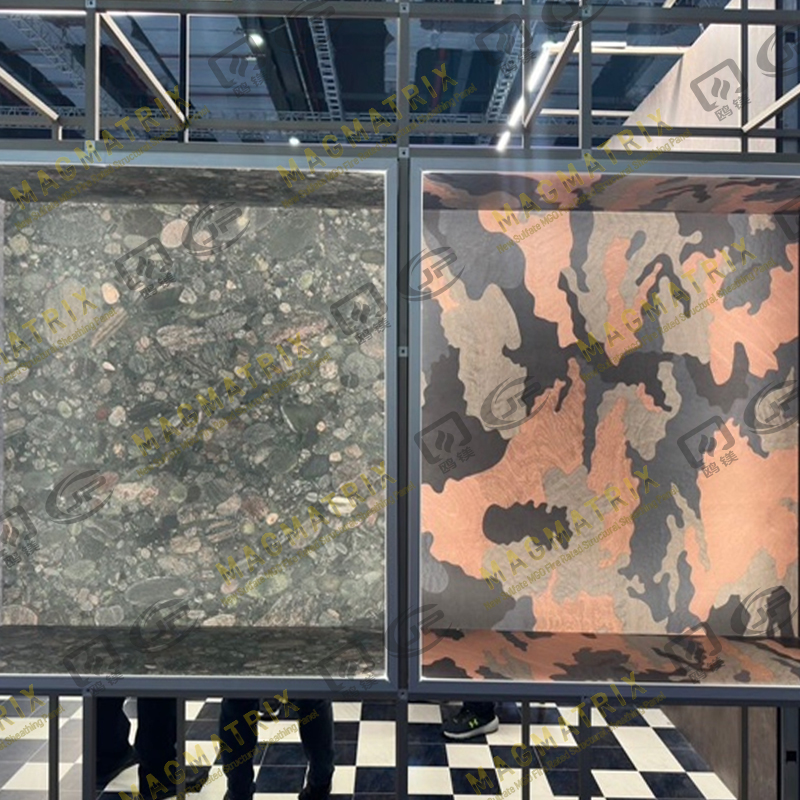 Ohňovzdorná dekoratívna MgO doska OuMei Táto dekoratívna MgO doska poskytuje čistiteľný, hotový povrch steny s odolnosťou proti ohňu a vlhkosti, vhodný pre komerčné kuchyne, ktoré sú vystavené pare a zdravotným prehliadkam. Zobraziť produkt →
 Ak renovujete kuchyňu, čítajte ďalej ako fungujú dosky z oxidu horečnatého v prostredí s vysokou vlhkosťou predtým, ako ich nainštalujete za parnú stanicu. Pre získavanie zdrojov, vyžiadajte si od výrobcu protokol o skúške vlhkosti a požiaru a porovnajte ich s podmienkami vo vašej kuchyni.
Zrátané a podčiarknuté
Bambusový naparovač je odpúšťajúci nástroj, ak s ním zaobchádzate správne. Jemne ho očistite teplou vodou, pred uskladnením úplne vysušte a skladujte s vekom otvoreným, aby mohol prúdiť vzduch. Pleseň odstráňte octom a sódou bikarbónou a odoberte kôš, ktorý sa krúti, praská alebo sa v ňom tvorí hlboká pleseň.
Dôležitý je aj priestor okolo parníka. Čistý kôš uložený v miestnosti s plesnivými stenami alebo vlhkým podkladom naberie vlhkosť zo vzduchu pri každom vyschnutí. Udržujte kôš aj kuchynské povrchy suché a parný hrniec bude produkovať mäkké, rovnomerne uvarené jedlo po celé roky.




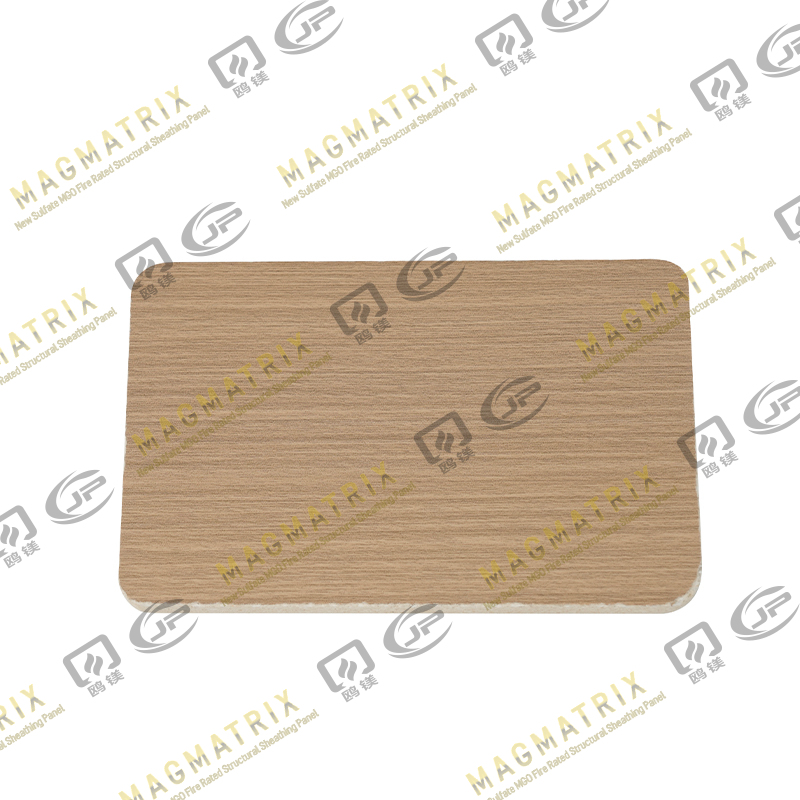
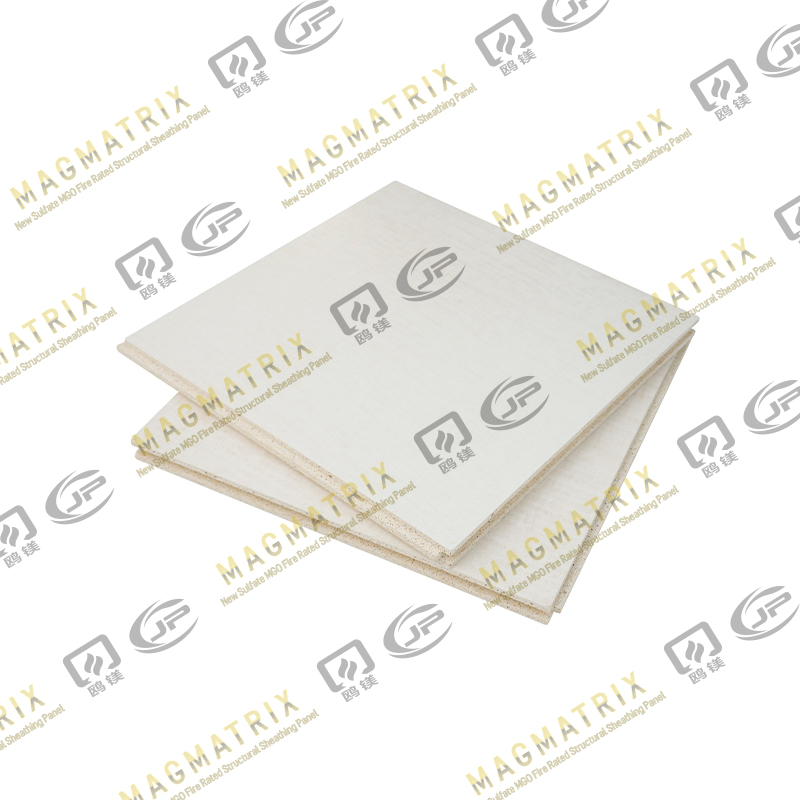
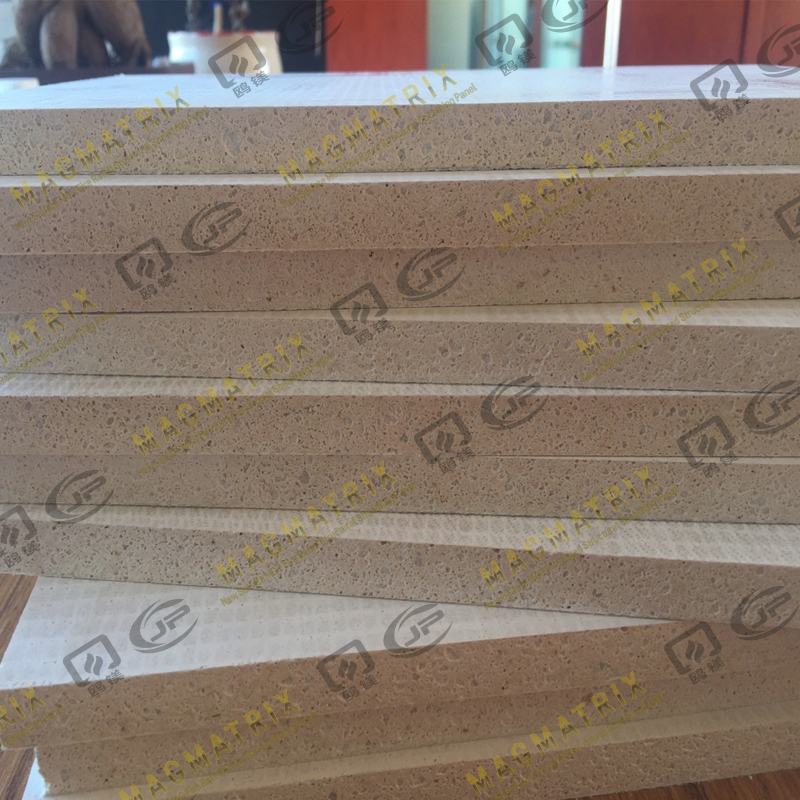 BMSC 517 Nová doska sulfátu MGO
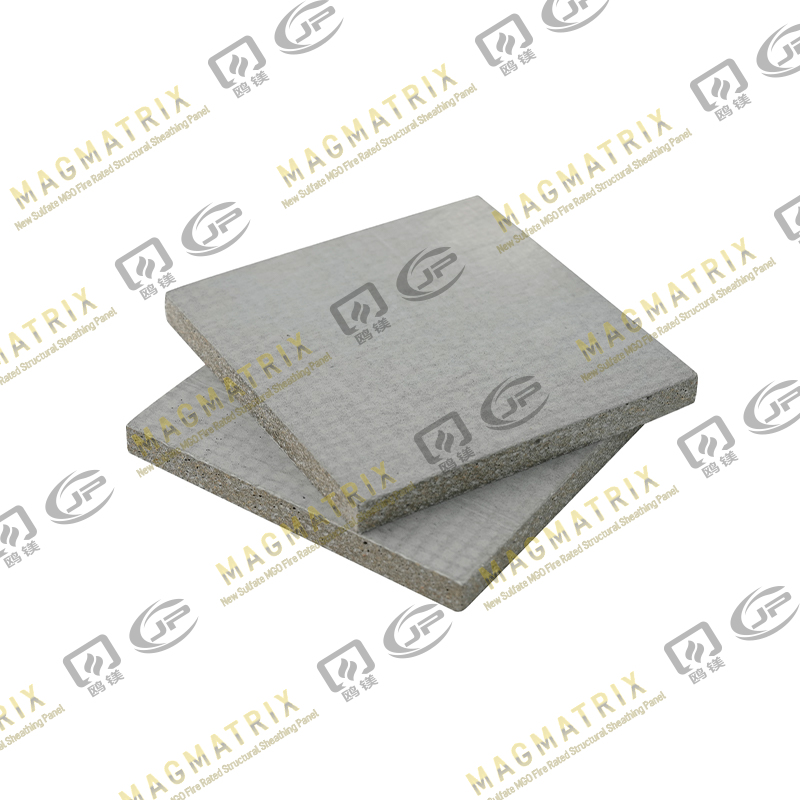 Viacerých podporov MGO nástennú dosku
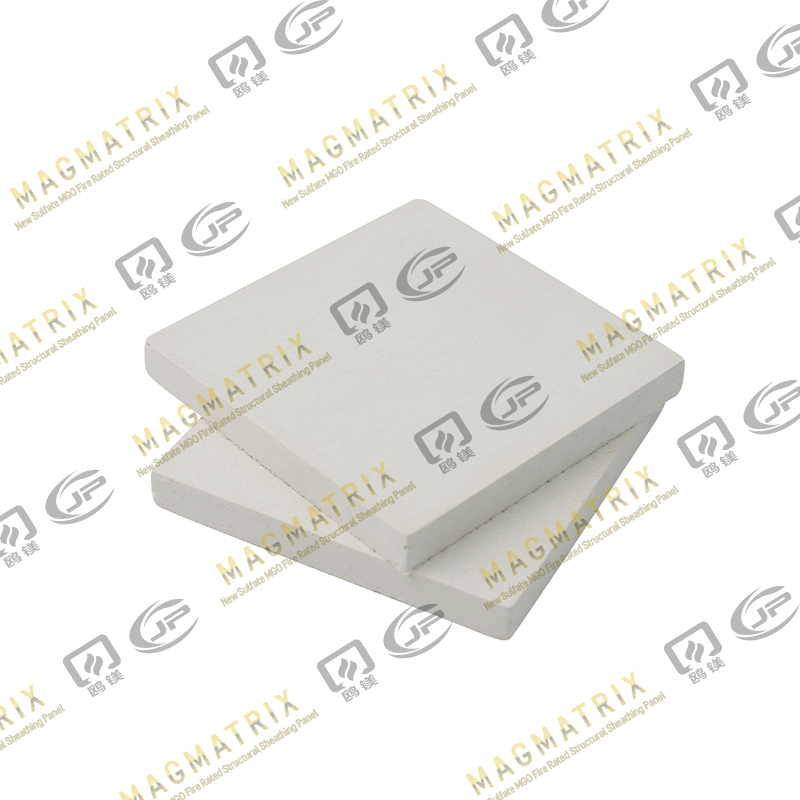 Vytrvalosť mgo nástenná doska
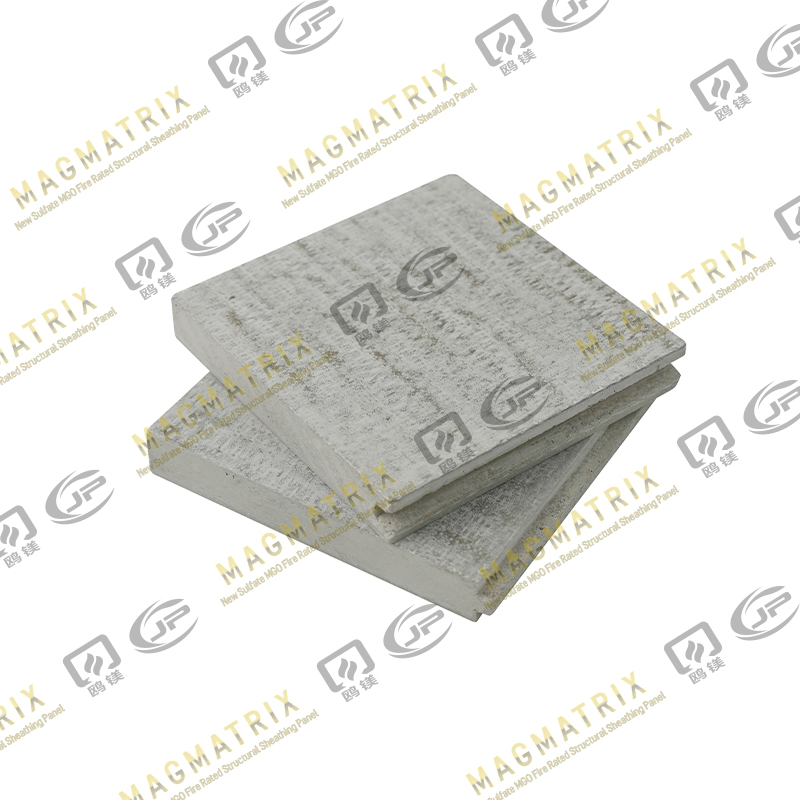 Podkladová podlahová doska
 Vytrvalosť mgo podkladová tabuľa
 Magmatrix MGO Panel/doska